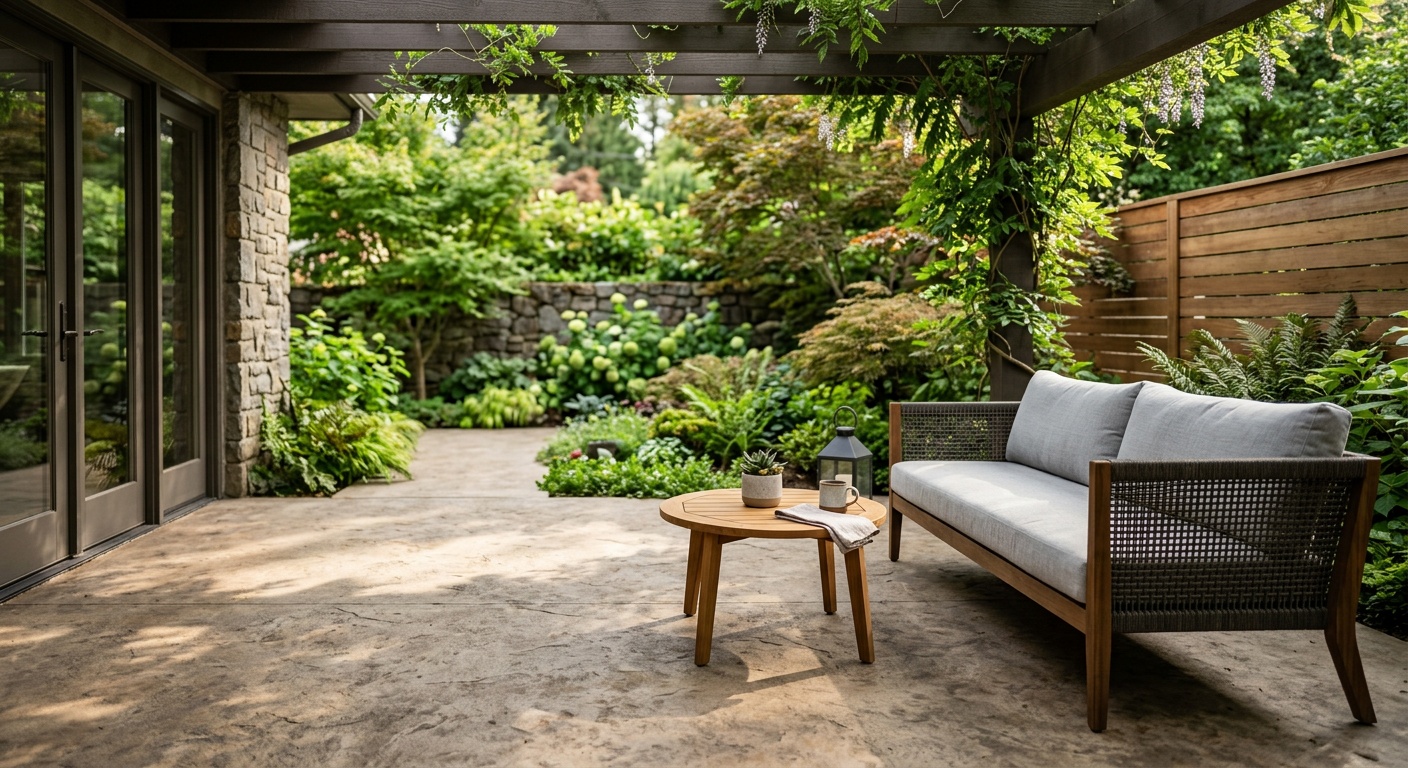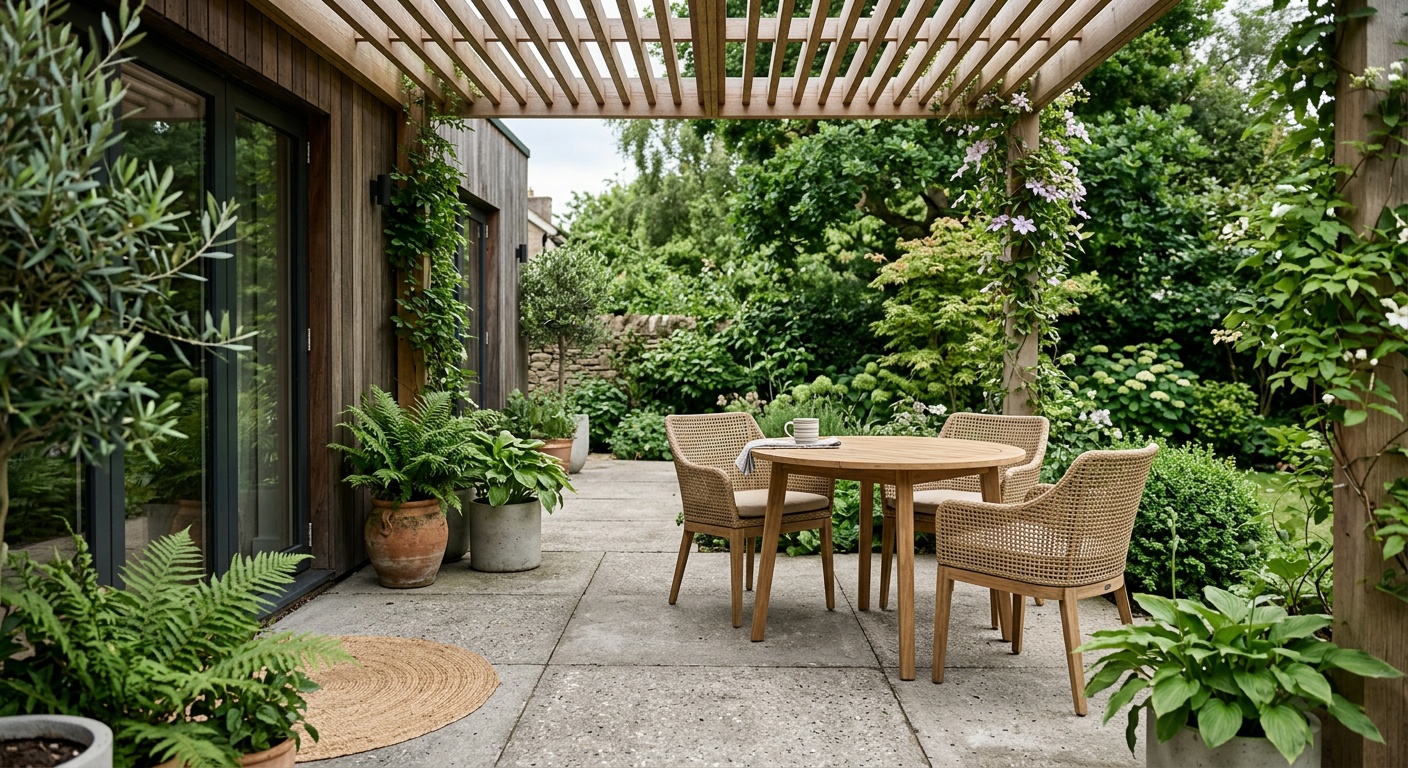
How to Keep Your Concrete Patio Cool and Comfortable
How to Keep Your Concrete Patio Cool and Comfortable in 2026
Reading time: 12 minutes
Ever stepped onto your concrete patio on a July afternoon and immediately retreated back inside? You’re far from alone. As global temperatures continue to climb — with 2025 ranking among the five hottest years ever recorded — outdoor living spaces have become both more desirable and more physically punishing. Concrete, while durable and low-maintenance, is notorious for absorbing and radiating heat, turning your dream patio into something that resembles the surface of a frying pan by mid-afternoon.
But here’s the good news: keeping your concrete patio cool and comfortable isn’t about replacing it or spending a fortune. It’s about strategic layering of smart solutions — from surface treatments to shade structures to microclimate engineering. Whether you’re hosting backyard barbecues or simply want a quiet corner to read in the evening, this guide will transform your approach to outdoor comfort.
The science starts with understanding thermal mass — the ability of a material to absorb, store, and slowly release heat. Concrete has exceptionally high thermal mass, which means it soaks up solar energy all day and releases it well into the night. That’s the enemy we’re dealing with. And once you understand that enemy, you can fight it intelligently.
Table of Contents
- Why Concrete Gets So Hot (And Why It Matters)
- Surface-Level Solutions: Coatings and Treatments
- Shade Structures That Actually Work
- Water Features and Evaporative Cooling
- Furniture and Layout Strategies
- Plant-Based Cooling: Nature’s Air Conditioning
- Comparing Cooling Methods: Costs and Effectiveness
- Common Challenges and How to Overcome Them
- FAQs
- Your Cool Patio Action Plan: Next Steps
Why Concrete Gets So Hot (And Why It Matters)
Concrete’s surface temperature on a sunny summer day can reach between 140°F and 160°F (60°C–71°C) — hot enough to cause burns within seconds of contact with bare skin. According to data published by the Urban Heat Island research consortium in 2025, dark or standard grey concrete surfaces in urban environments can be up to 50°F hotter than ambient air temperature during peak sun hours.
This has real consequences beyond personal discomfort. Hot concrete surfaces radiate heat upward, dramatically raising the temperature in your patio’s microclimate. Furniture placed on superheated concrete becomes uncomfortable. Food at outdoor gatherings spoils faster. Pets experience burned paw pads. And the ambient radiative heat makes even shaded areas feel stuffy and unpleasant.
The problem is compounded in 2026 by the reality that urban heat islands are intensifying. Research from the American Meteorological Society indicates that urban temperatures in the contiguous U.S. are rising at approximately 0.5°F per decade faster than rural areas, largely due to impervious surfaces like concrete and asphalt. Your patio isn’t just a personal comfort issue — it’s part of a broader ecological challenge.
Understanding this helps frame your strategy. You’re not simply trying to feel cooler — you’re actively working to reduce the amount of solar energy that your concrete absorbs, radiate less heat back into the environment, and create air movement and moisture that naturally lowers ambient temperature.
Surface-Level Solutions: Coatings and Treatments
Cool Pavement Coatings: The Science Behind the Shine
One of the most effective and permanent ways to reduce concrete heat absorption is applying a cool pavement coating or reflective sealer. These products work by increasing the solar reflectance index (SRI) of your concrete surface. Standard grey concrete has an SRI of roughly 35; reflective coatings can push that number to 70 or above, meaning the surface reflects nearly twice as much solar radiation back into the sky instead of absorbing it.
In 2026, the market for residential cool coatings has matured significantly. Brands like Teknos, Sherwin-Williams, and several regional manufacturers now offer water-based elastomeric coatings in a range of colors — including earth tones and terracotta shades that won’t look institutional — with SRI ratings clearly labeled on the packaging. Expect to pay between $0.80 and $2.50 per square foot for a quality product, plus labor if you’re not doing it yourself.
Case Study: A homeowner in Phoenix, Arizona, applied a light grey elastomeric cool coating to her 400-square-foot concrete patio in May 2025. Before treatment, surface temperatures peaked at 152°F. After application, the same surface measured 108°F under identical conditions — a reduction of 44°F. She also noted that the indoor air conditioning load dropped noticeably during the two weeks following the application, thanks to reduced radiant heat entering through adjacent glass doors.
Here are the primary surface treatment options ranked by effectiveness:
- High-SRI elastomeric coatings — Most effective; long-lasting (7–10 years); wide color range
- Concrete stains with reflective additives — Moderate effectiveness; aesthetic appeal; easier DIY application
- Penetrating concrete sealers — Least cooling effect but protect against moisture and cracking
- Concrete overlays with light aggregate — Durable and visually attractive; moderate SRI improvement
Permeable Concrete: A Long-Term Investment
If you’re considering resurfacing or replacing your patio, permeable concrete deserves serious consideration. Also called pervious concrete, this material contains intentional voids that allow rainwater to pass through the surface, keeping the subsurface moist. Evaporation from that moisture creates a natural cooling effect — essentially turning your patio into a low-grade evaporative cooler.
A 2025 study from the University of Illinois Urbana-Champaign found that permeable concrete surfaces ran an average of 10°F to 18°F cooler than traditional concrete during peak heat events. The trade-off is higher installation cost (typically 15–25% more than standard concrete) and slightly more maintenance to prevent sediment clogging in the voids. However, in many municipalities, permeable paving qualifies for stormwater management rebates that can offset much of that cost difference.
Shade Structures That Actually Work
Shade is the single most powerful tool in your patio-cooling arsenal. Blocking direct sunlight before it ever reaches your concrete surface eliminates the root cause of the problem. But not all shade structures are created equal, and choosing the wrong one can leave you disappointed.
Pergolas, Sail Shades, and Patio Covers: Choosing Wisely
Pergolas are aesthetically lovely but offer incomplete shade — their open-slat design typically blocks 20–40% of direct sun. That’s better than nothing, but a pergola alone won’t prevent concrete from heating significantly. The solution is to combine a pergola with climbing plants (more on that below) or to add a shade cloth top rated at 80–95% UV blocking.
Tension sail shades have become enormously popular between 2024 and 2026 for good reason. High-quality HDPE shade sail fabric rated at 90%+ UV block can reduce the surface temperature of concrete beneath it by 30–40°F. They’re relatively affordable ($150–$600 for residential-grade sails), easy to install with proper anchor points, and available in colors and shapes that complement modern outdoor aesthetics. Position them to block the sun during peak hours — typically 10 AM to 4 PM — by angling the attachment points to intercept the sun’s path at your latitude.
Solid patio covers and pergola roofs with polycarbonate or aluminum panels offer maximum shade and often integrate with gutter systems to handle rain. These represent a more permanent investment ($3,000–$15,000 installed depending on size and materials) but create genuinely usable outdoor rooms that stay comfortable even during heat advisories.
Pro Tip: Don’t overlook the direction your patio faces. West-facing patios receive the most intense late-afternoon heat and require the most aggressive shade solutions on that side. East-facing patios get morning sun but are often quite comfortable by afternoon with minimal intervention.
Water Features and Evaporative Cooling
Water is one of the most underutilized patio cooling tools. When water evaporates, it absorbs heat energy from the surrounding environment — this is the same principle behind sweating. Strategically incorporating water into your patio design can reduce the perceived temperature by 5°F to 15°F depending on humidity levels and airflow.
Misting systems remain one of the most cost-effective options. A quality high-pressure misting system ($300–$800 installed) creates fine droplets that evaporate almost instantly, cooling the surrounding air without making furniture or people noticeably wet. These work best in low-humidity environments (relative humidity below 60%); in humid climates like Florida or the Gulf Coast, the evaporation is slower and the cooling effect is reduced.
Fountains and water walls add ambient cooling and the psychological effect of the sound of moving water, which research suggests reduces perceived temperature by creating a sense of freshness. A recirculating fountain requires only a small pump and minimal water consumption — an important consideration as drought conditions affect more regions in 2026.
For indoor-adjacent areas or partially covered patio sections, you might also explore how to cool room without ac using evaporative personal coolers — compact devices that work on the same evaporative principle and can be positioned at patio entrances or seating areas to create localized comfort zones without running full central air conditioning outdoors.
Case Study: A restaurant owner in Austin, Texas, installed a combination of overhead misting lines and a recirculating water wall feature on his 800-square-foot covered patio in summer 2025. The result was a measured ambient temperature reduction of 11°F during peak service hours (5–9 PM), a 40% increase in patio seating utilization compared to the previous summer, and an estimated $200/month reduction in HVAC costs for the adjacent indoor space, as the cooler patio reduced heat infiltration through exterior doors.
Furniture and Layout Strategies
The furniture you place on your patio and how you arrange it plays a surprising role in thermal comfort. Here are the most impactful furniture and layout choices:
- Choose lighter-colored furniture. Dark furniture absorbs heat and radiates it back, making seating areas feel hotter. White, cream, or light grey furniture reflects more solar energy.
- Elevate seating when possible. Air near the concrete surface is the hottest due to direct radiation. Taller seating positions you in relatively cooler air just 18–24 inches above the surface.
- Use outdoor rugs strategically. A light-colored outdoor rug placed under seating areas insulates you from the hot concrete surface and reflects some radiation. Look for rugs with UV-resistant fibers designed for outdoor use.
- Position fans for cross-ventilation. Outdoor ceiling fans (rated for damp or wet conditions) in covered areas create 5–10°F of perceived cooling through the wind-chill effect. Orient furniture so the prevailing breeze works with fan placement rather than against it.
- Create airflow corridors. Avoid arranging large furniture pieces or planters in ways that block natural breezes. Think about your patio as a room where air needs pathways to move through.
Plant-Based Cooling: Nature’s Air Conditioning
Plants are extraordinarily effective at cooling outdoor spaces through two mechanisms: shade provision and transpiration. Transpiration is the process by which plants release water vapor through their leaves — essentially a biological version of evaporative cooling. A mature tree can transpire 100 gallons of water per day, releasing the cooling equivalent of two average residential air conditioning units.
For patio applications, consider these plant-based strategies:
- Climbing plants on pergolas or trellises — Wisteria, trumpet vine, Virginia creeper, and bougainvillea create dense, living shade canopies that are both beautiful and functional. Avoid invasive species; check your regional invasive plant list before planting.
- Container trees — Large containers with dwarf citrus, fig, or ornamental trees provide portable shade and can be positioned to block western sun during the hottest hours.
- Living walls/vertical gardens — These are increasingly popular in 2026. A 6-foot vertical garden panel planted with ferns, sedums, or tropical foliage can reduce adjacent surface temperatures by 10–20°F through combined shade and transpiration.
- Ground cover adjacent to the patio — Replacing bare soil or additional concrete around your patio with grass, clover, or groundcover plants reduces radiant heat bouncing back onto the patio from surrounding surfaces.
Quick note on drought sensitivity: Select plants appropriate for your climate zone and current water restrictions. In much of the American Southwest and Mediterranean Europe, drought-tolerant species like agave, lavender, and native grasses provide cooling benefits with minimal irrigation requirements — important as water conservation remains a priority in 2026.
Comparing Cooling Methods: Costs and Effectiveness
| Cooling Method | Avg. Cost (2026) | Temp Reduction | Maintenance Level | Best Climate |
|---|---|---|---|---|
| Cool Pavement Coating | $320–$1,000 | 20–44°F surface | Low | All climates |
| Shade Sail (90%+ UV) | $150–$600 | 30–40°F surface | Low | All climates |
| Misting System | $300–$800 | 5–15°F ambient | Medium | Dry/arid climates |
| Pergola + Climbing Plants | $1,500–$8,000 | 15–25°F ambient | Medium | Most climates |
| Permeable Concrete Resurface | $8–$18/sq ft | 10–18°F surface | Low-Medium | All climates |
Effectiveness Visualization: Estimated Surface Temperature Reduction by Method
Surface or Ambient Temperature Reduction (°F)
Common Challenges and How to Overcome Them
Challenge 1: The Budget Constraint
Not everyone has thousands of dollars to invest in pergolas and professional coatings. If you’re working with a tight budget, prioritize in this order: shade first, surface treatment second, water features third. A $150 shade sail and a $40 can of reflective concrete stain can make a dramatic difference for under $200. Add a $30 outdoor rug and a box fan rated for outdoor use, and you’ve created a substantially more comfortable space for less than $300 total.
Challenge 2: HOA Restrictions
Homeowners associations in 2026 continue to be a complicating factor for many patio improvement projects. Before installing any permanent structure — pergola, shade sail anchors, water features — review your HOA CC&Rs carefully. Many HOAs restrict visible equipment, colors, and structural additions.
The practical workaround: focus on reversible improvements. Freestanding shade sails with weighted bases (no permanent anchors required), portable evaporative coolers, movable planters, and removable outdoor rugs all fall outside most HOA structural restrictions. Apply reflective concrete coatings in colors specified as permissible, or use concrete paint that can theoretically be repainted later. Always get HOA approval in writing before any installation that could be contested.
Challenge 3: High Humidity Climates
If you live in the Southeast U.S., coastal regions, or tropical zones, evaporative cooling methods (misting systems, water features) offer limited benefit because the ambient air is already moisture-saturated. In these climates, shade and airflow are your primary tools. Invest in large, high-CFM outdoor ceiling fans under covered areas, ensure your patio design creates cross-ventilation opportunities, and prioritize dense vegetative shade from mature trees. Solid patio covers with integrated fans are particularly effective in humid climates because they combine shade with forced air movement.
FAQs
How much cooler can I realistically make my concrete patio?
With a combination of approaches — reflective coating, quality shade coverage, and some vegetation — it’s realistic to reduce both the surface temperature and ambient air temperature of your patio by 25–45°F compared to an untreated, unshaded concrete surface. Individual results depend heavily on your climate, the orientation of your patio, and the specific products used. The most dramatic improvements come from layering multiple strategies rather than relying on any single solution.
Will a reflective coating make my patio look washed out or too bright?
Modern cool pavement coatings have come a long way aesthetically. Products available in 2026 come in dozens of colors, including warm tones like sandstone, terracotta, and slate grey, all while maintaining high solar reflectance. The key is to choose products labeled with SRI ratings rather than simply marketing terms like “cool” or “reflective.” An SRI of 40 or above represents meaningful improvement; aim for 65+ for maximum performance. The slight sheen that some elastomeric coatings add can actually enhance the appearance of weathered concrete.
How do I maintain a cool patio during an unexpected heat wave with no major modifications in place?
Short-term, emergency comfort on a hot patio can be improved immediately with a few tactics: Set up temporary shade using a large patio umbrella or a popup canopy. Place a shallow tray of ice water in front of a box fan directed toward your seating area for a DIY evaporative effect. Wet the concrete surface with a hose in the early morning — evaporation during the first few hours will reduce surface temperatures. Schedule outdoor time for before 10 AM or after 6 PM when sun angles are lower and concrete begins releasing stored heat into a cooling atmosphere rather than absorbing more. These temporary fixes won’t match permanent solutions, but they provide meaningful relief while you plan longer-term improvements.
Your Cool Patio Action Plan: Next Steps
You now have the knowledge. Here’s how to turn it into action over the next 30, 60, and 90 days:
- Days 1–7: Assess and prioritize. Measure your patio’s sun exposure at different times of day. Identify the hottest zones (typically western exposures and areas closest to exterior walls). Make a list of the three most impactful improvements for your budget and climate.
- Days 8–21: Quick wins. Install shade sails or a quality patio umbrella. Apply reflective concrete stain or sealer as a weekend DIY project. Add an outdoor rug under your primary seating area. These steps alone can transform your patio experience for a minimal investment.
- Days 22–60: Add layers. Plant fast-growing climbing vines on any existing pergola or trellis. Install a misting system if you’re in a dry climate. Rearrange furniture to optimize airflow and take advantage of new shade coverage.
- Days 60–90: Long-term investments. Get quotes for a permanent pergola cover, shade structure, or professional cool coating if your budget allows. Research municipal rebates for permeable paving or green infrastructure — many cities now offer significant financial incentives in 2026 as part of urban heat island mitigation programs.
- Ongoing: Measure and adapt. Use an inexpensive infrared thermometer (under $25 at most hardware stores) to monitor surface temperatures season over season. Track which investments made the most difference and build on them.
The broader trend here is significant: outdoor living spaces in 2026 are no longer a seasonal luxury but a year-round extension of the home that directly impacts quality of life, property values, and even household energy consumption. A cool, comfortable patio isn’t just about beating the heat — it’s about future-proofing your home against a warming climate and creating genuine value in your daily life.
So here’s the question worth sitting with: What would you do with a patio that’s actually comfortable at 3 PM in August? Start with one step this week, and find out.